Shadow and Steel: Untangling the Myth and Reality of Ninja and Samurai in Feudal Japan

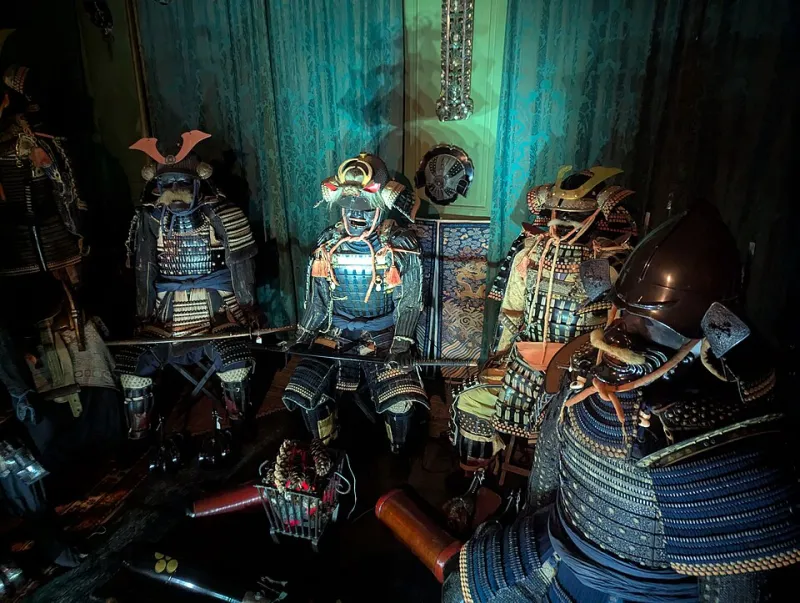
Photo: feudal Japan samurai and ninja historical warriors traditional armor, via images.squarespace-cdn.com
Few contrasts in popular culture feel as dramatic as the one between the armored samurai and the black-clad ninja. American cinema, video games, and comic books have spent the better part of a century refining this image: two warrior archetypes destined to clash, one honorable and visible, the other deceptive and hidden. It is a compelling narrative. It is also, in large measure, a fiction.
The historical relationship between these two figures was neither simple nor adversarial by default. To understand what ninja and samurai actually were — and how they coexisted — requires setting aside the entertainment industry's version of feudal Japan and engaging seriously with the historical record.
The Problem With the Hollywood Version
Western audiences first encountered the ninja through a wave of martial arts films in the 1960s and 1970s, many of which were Japanese productions that had themselves already embellished historical fact. By the time American studios and Saturday morning cartoons absorbed the concept, any remaining connection to history had largely evaporated. The result was a caricature: a near-supernatural assassin draped in black, capable of invisibility, wall-climbing, and impossible acrobatics.
This version of the ninja served narrative purposes. It gave storytellers an exotic, morally ambiguous foil to the noble samurai. But it also imposed a Western binary — hero versus villain, honor versus treachery — onto a society that organized its values and warrior roles very differently.
The samurai, for their part, were not exempt from romanticization. American audiences received their own simplified portrait: stoic, sword-wielding paragons of a rigid honor code. In reality, samurai were bureaucrats, landowners, political operatives, and, yes, warriors — a broad class whose actual behavior ranged from the genuinely principled to the deeply pragmatic.
Who Were the Ninja, Really?
The term shinobi — the more historically accurate Japanese word — referred not to a hereditary caste of assassins but to practitioners of ninjutsu, a set of covert operational skills that included espionage, infiltration, sabotage, and intelligence gathering. Historical sources from the Sengoku period (roughly 1467–1615) describe shinobi as agents employed for specific tactical purposes, not as a separate warrior class standing in opposition to the samurai.
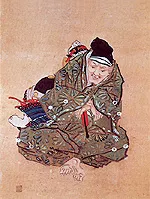
Crucially, many shinobi were samurai. The Iga and Kōka regions of central Japan, traditionally associated with ninja clans, produced warriors who frequently served as retainers to powerful daimyo. Figures such as Hattori Hanzō — yes, a real historical person, not merely a character from a Quentin Tarantino film — were samurai who also possessed and employed shinobi skills. Hanzō served Tokugawa Ieyasu directly, functioning as both a conventional military officer and an intelligence operative.
This overlap complicates the clean Hollywood divide considerably. The skills associated with ninjutsu were simply another set of tools available within the broader landscape of Japanese warfare. A lord who needed a castle infiltrated or an enemy commander's plans uncovered did not summon a rival warrior class from the shadows. He tasked operatives — some of whom held samurai rank — with the mission.
Social Status and the Stigma of Covert Work
That said, the relationship was not without its tensions. Within the formal value system of samurai culture, openly acknowledged deception carried a social stigma. The Confucian and later Bushido-influenced frameworks that governed samurai identity placed significant weight on directness, loyalty, and visible courage. Covert operations existed in an uncomfortable space within that framework.
This is where a meaningful distinction does emerge — not between two warrior classes as enemies, but between two modes of warfare and their respective social standing. A samurai who engaged in shinobi tactics might do so under orders and with practical justification, but such work was rarely celebrated in the same way that battlefield valor was. It was considered necessary rather than honorable in the classical sense.
Some historical accounts suggest that samurai of high rank maintained a deliberate distance from the operational details of covert missions, even when they authorized them. The plausible deniability this afforded was itself a kind of social negotiation — acknowledging the utility of shadow work while preserving the public image of the warrior class.
What the Real Historical Record Reveals
Primary sources from the period, including the Bansenshukai — a seventeenth-century manual on shinobi techniques compiled by Fujibayashi Yasutake — reveal a sophisticated and disciplined body of knowledge. Far from the supernatural acrobatics of cinema, the actual skills described involve careful reconnaissance, disguise, psychological manipulation, fire-setting, and the exploitation of terrain. These are the tools of patient, methodical operatives, not cinematic superheroes.
The Bansenshukai also reveals something important about the philosophical underpinning of shinobi work. It emphasizes adaptability, situational awareness, and the subordination of ego to mission — values that are not entirely foreign to samurai philosophy, even if the specific applications differ. Both traditions, in their authentic forms, demanded rigorous mental discipline.
Historical records from the Sengoku period document daimyo such as Oda Nobunaga and Takeda Shingen employing shinobi networks as standard components of their military intelligence operations. These were not fringe figures operating outside legitimate power structures. They were integral parts of it.
Why the Myth Persists — and Why It Matters
The persistence of the ninja-versus-samurai narrative in American culture reflects something broader about how the West has historically consumed and transformed Japanese culture. The exotic otherness of feudal Japan made it fertile ground for mythologizing, and the entertainment industry has rarely allowed historical accuracy to interfere with a marketable story.
For martial artists and history enthusiasts in the United States, recognizing this distortion matters. It affects how practitioners approach Japanese martial traditions, how they understand the philosophical lineage of disciplines like bujinkan ninjutsu or kenjutsu, and how they engage with primary sources versus popular representations.
Understanding that the samurai and the ninja were frequently the same person — or at minimum, collaborators within the same political system — does not diminish either tradition. If anything, it enriches both. It reveals a warrior culture sophisticated enough to hold multiple modes of excellence simultaneously, one that could honor both the visible courage of the battlefield and the invisible precision of the intelligence operative.
The real story of feudal Japan's warriors is more interesting than Hollywood's version. It always has been.