Cracks in the Armor: The Three Human Weaknesses That Haunted Even Japan's Most Disciplined Warriors
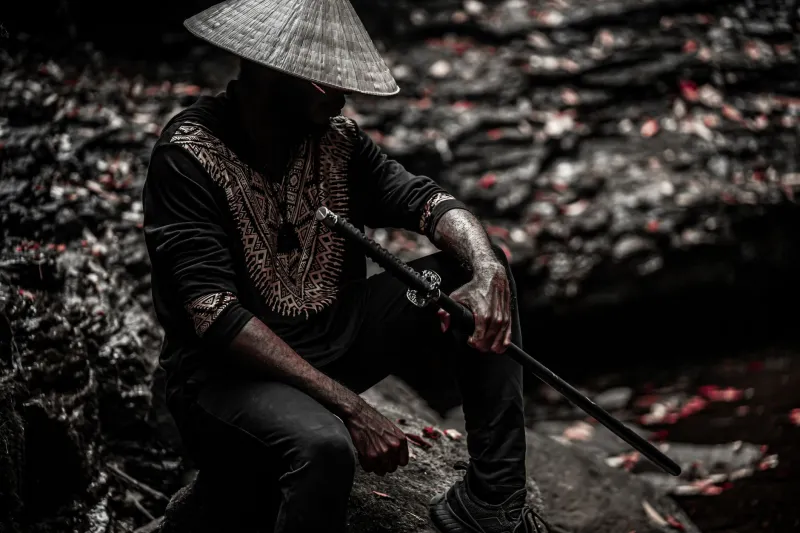
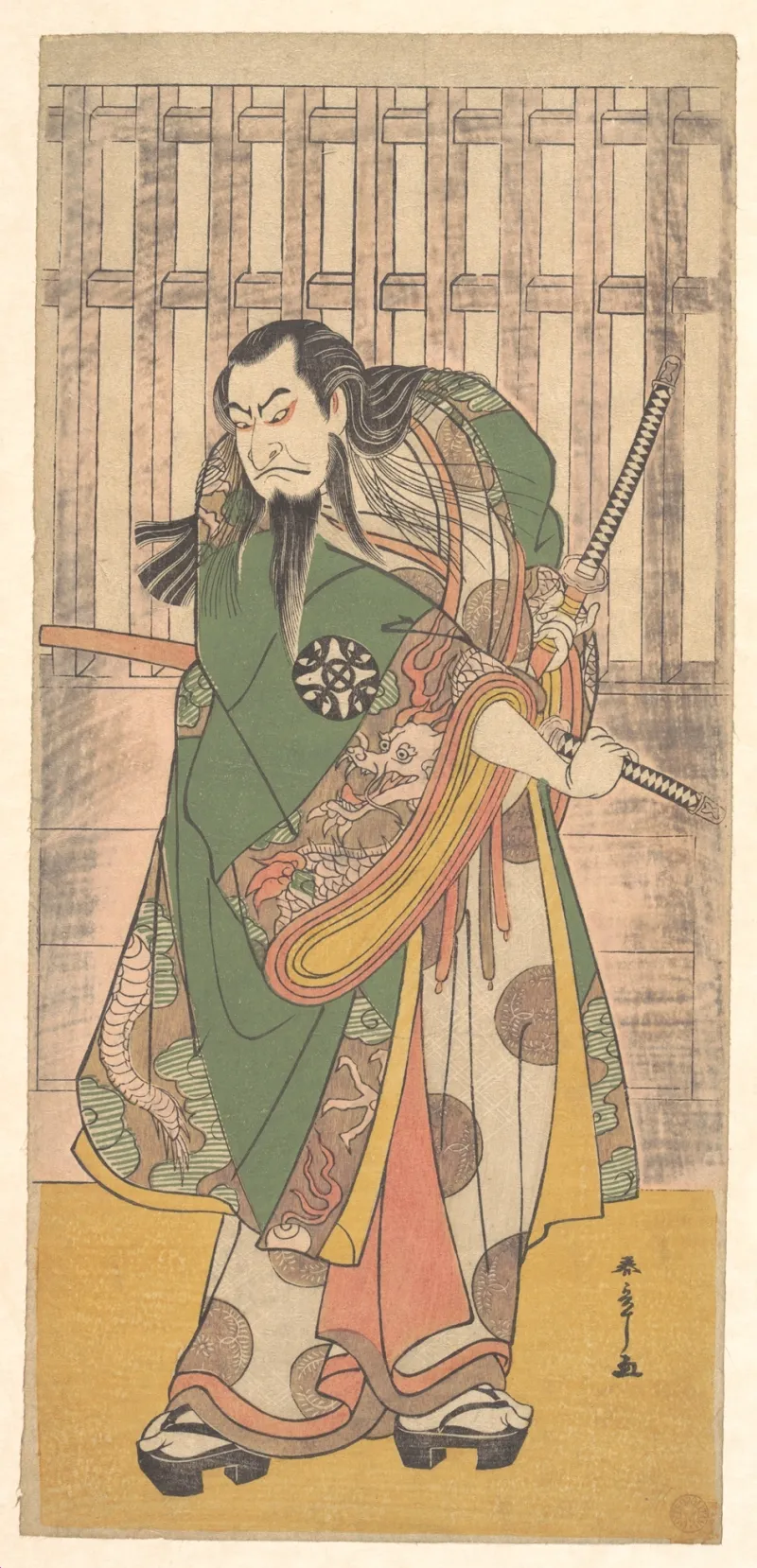
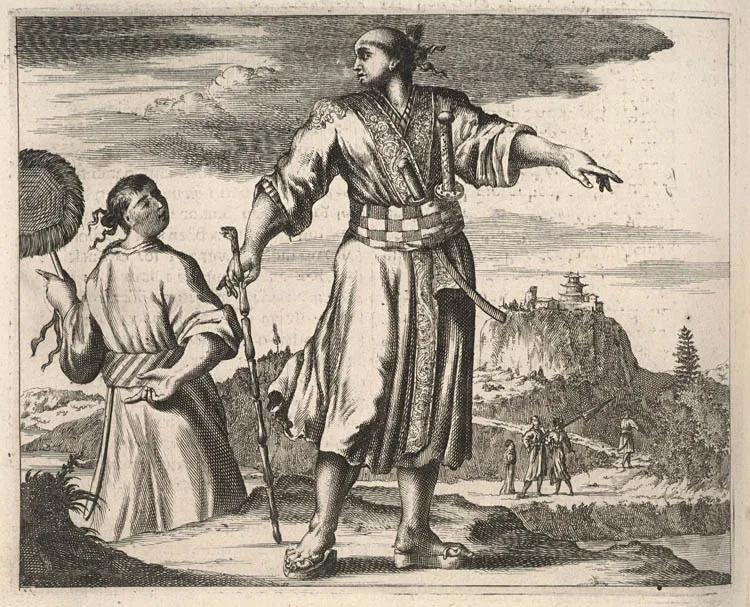
The samurai occupies a singular place in the American imagination. Disciplined, stoic, precise — the warrior who has mastered not only the blade but the self. This image is not fabricated. It is rooted in genuine historical achievement. Japan's warrior class produced extraordinary feats of mental and physical discipline over the course of many centuries, and the philosophical tradition they developed remains one of the most sophisticated frameworks for human conduct ever articulated.
But the historical record is more complicated than the legend. Beneath the lacquered armor and the ceremonial composure, samurai were human beings contending with the full spectrum of human weakness. Their writings, their correspondence, the chronicles of their lives compiled by court historians and clan archivists — these documents tell a different story from the one celebrated in popular culture. They tell the story of warriors who struggled, failed, and in many cases were destroyed by vulnerabilities that their training was never entirely able to conquer.
Three of those vulnerabilities appear with particular frequency and consequence across the historical record. They deserve serious examination — not to diminish the samurai tradition, but to understand it accurately.
The First Crack: Addiction and the Failure of Appetite
The Sengoku period — Japan's century of warring states — was an era of extraordinary violence and equally extraordinary excess. Alcohol, in particular, was woven into both the culture of celebration and the culture of grief that defined warrior life. It accompanied victory feasts and farewell ceremonies, ritualized hospitality and informal bonding between retainers. For many samurai, the line between ceremonial consumption and compulsive dependence was crossed without fanfare.
Historical accounts document a striking number of prominent warriors whose judgment, health, and ultimately careers were compromised by alcohol. Oda Nobunaga — one of the most brilliant and ruthless commanders of the sixteenth century — was known for hosting elaborate sake-fueled entertainments that sometimes descended into dangerous volatility. Several of his subordinates, men of genuine martial ability, saw their service records permanently marked by incidents of intoxicated misconduct.
The broader pattern is more instructive than any individual case. Samurai culture recognized the danger of addictive behavior explicitly. The Hagakure — the eighteenth-century compilation of samurai wisdom attributed to Yamamoto Tsunetomo — contains passages that address the corruption of appetite with striking directness, warning that a warrior who cannot govern his desires in peacetime will find that those desires govern him in crisis. The very existence of such warnings is evidence of how persistent the problem was. Codes are written in response to violations, not in anticipation of behavior that never occurs.
The martial arts tradition that descended from samurai practice carries this awareness forward. Many classical ryū — martial lineages — incorporated explicit instruction on the management of appetite as a component of warrior development, treating it as a technical discipline no less serious than sword work. The logic was straightforward: a warrior whose judgment could be compromised by craving was a liability in any situation that demanded clear perception and decisive action.
The Second Crack: Romantic Obsession and the Unguarded Flank
The samurai's relationship with romantic and erotic attachment presents one of the most psychologically rich chapters in the historical record. Warrior culture was not, as sometimes assumed, indifferent to love or immune to its disruptions. It was acutely aware of them — precisely because the disruptions were so well documented.
The story of Ōta Dōkan, the fifteenth-century castle builder and poet-warrior, includes accounts of how personal entanglements complicated his political relationships and ultimately contributed to the conditions of his assassination. The great general Uesugi Kenshin, celebrated for his personal austerity, is believed by some historians to have taken vows of celibacy in part as a deliberate strategic choice — a recognition that romantic attachment created vulnerabilities he was unwilling to accept.
Perhaps more revealing than the dramatic cases are the quieter ones: the retainers documented in clan records as having compromised their duties through infatuation, the warriors whose tactical judgment was clouded by concern for partners or lovers left behind, the commanders who made strategically irrational decisions because of personal attachments that their training had never adequately addressed.
Bushido's philosophical literature acknowledged this vulnerability with considerable nuance. The concept of makoto — sincerity or wholeness — was understood to require that a warrior's emotional life be integrated rather than suppressed. A samurai who denied the reality of his attachments was not more disciplined than one who acknowledged them; he was simply less honest about where his vulnerabilities lay. Honest acknowledgment was the first step toward genuine management. Denial produced the most dangerous kind of weakness: the kind the warrior himself could not see.
The Third Crack: The Inability to Forgive Oneself
Of the three vulnerabilities examined here, this one may be the most philosophically significant — and the most resistant to any form of training or discipline. Samurai culture placed enormous weight on personal accountability, on the honest acknowledgment of failure, and on the willingness to accept consequences without deflection. These were genuine virtues, and they produced genuine strength.
But the same cultural emphasis that produced accountability also produced, in many warriors, a form of self-condemnation that became its own kind of paralysis. Historical records contain numerous accounts of samurai whose effectiveness was permanently diminished not by the failures they had committed, but by their inability to move beyond those failures psychologically. The man who lost a crucial engagement, who failed to protect a lord, who made a tactical error that cost lives — these warriors often carried their failures with a weight that no external consequence could match.
The ritual of seppuku — the formal act of self-administered death — is the most extreme expression of this cultural dynamic, but it is important not to let its dramatic finality obscure the subtler version of the same pattern: the warrior who survived his failures but never truly recovered from them, who continued to function but whose inner life had been permanently contracted by guilt.
The Hagakure addresses this directly, in terms that feel startlingly contemporary: "Meditation on inevitable death should be performed daily... but the man who meditates on past failures without purpose becomes a ghost of his former self." The distinction drawn here is crucial. Reflection was valued; rumination was recognized as corrosive. The inability to distinguish between the two — to extract the lesson from a failure and then release the failure itself — was identified as a genuine threat to warrior effectiveness.
The Code as a Response, Not a Solution
What emerges from an honest examination of these three vulnerabilities is a more truthful portrait of Bushido than the popular legend provides. The warrior code was not a formula for transcending human weakness. It was a structured, hard-won response to the reality of human weakness — an attempt to build, through discipline and philosophical clarity, a way of living that could contain and direct the forces that would otherwise destroy a person from within.
The samurai who trained most rigorously were not the ones who believed they had eliminated these vulnerabilities. They were the ones who understood, with the clearest possible eyes, that the vulnerabilities were permanent features of the human condition — and that the work of the warrior was therefore never finished.
That understanding is perhaps the most enduring contribution the samurai tradition offers to the modern martial artist: not the promise of perfection, but the discipline to keep working in its absence.